Have You Ever Wondered If You Can Retire, Stay Retired, and How Much You Can Safely Spend Without Running Out of Money?
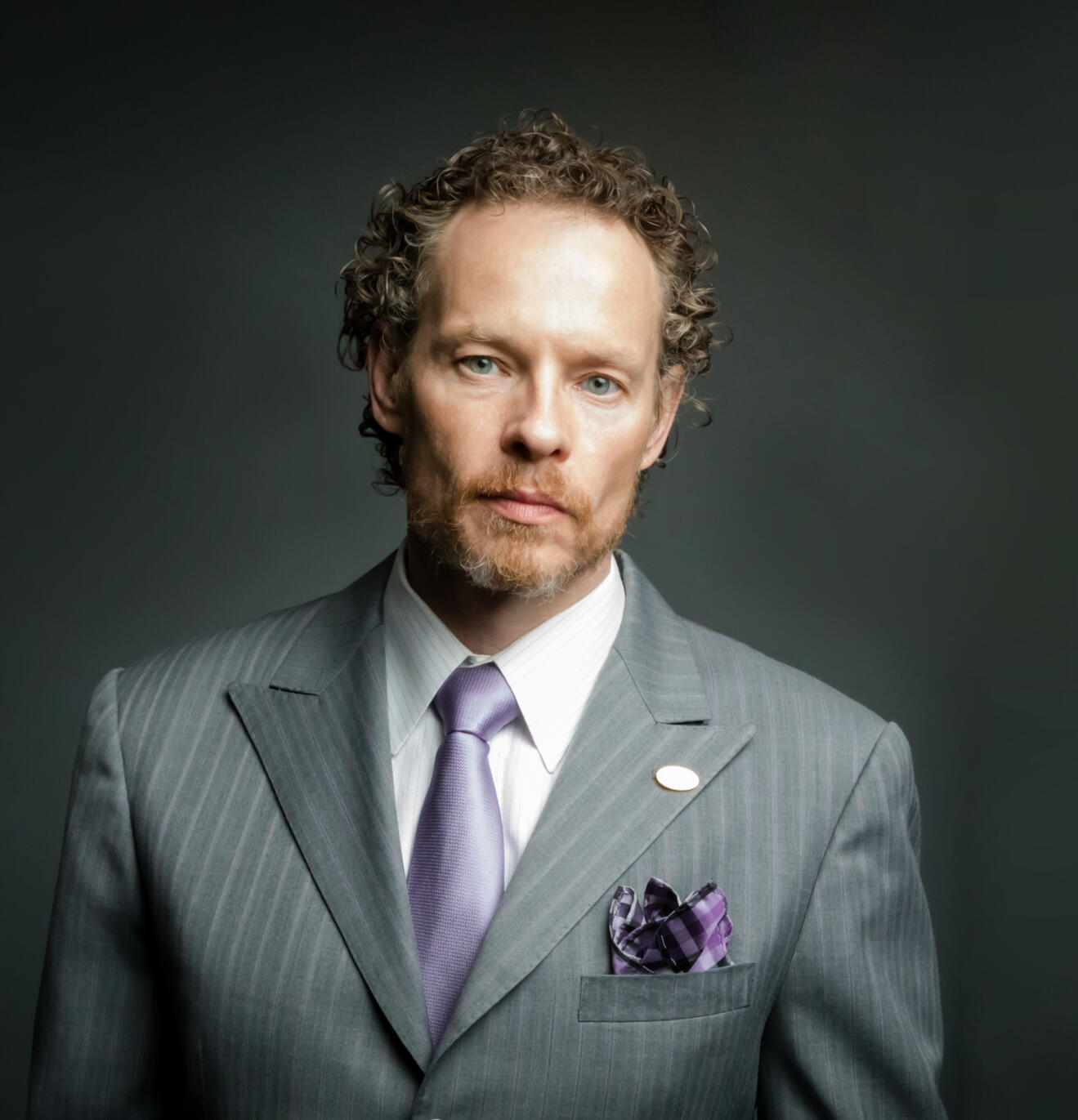
Perhaps I can help. My name is Michael Paulding Thomas. I'm a German-American independent Investment Advisor and Securities Principal. Since 1989 I've helped over 200 clients build a "retirement machine" that gives them a lifetime guaranteed monthly income to ensure they don't outlive their money in retirement.When you think of your retirement, does it seem more probable that you will outlive your money or that your money will outlive you?Here's what I offer: a no-cost, no-obligation second opinion to help you figure that out.If you're open to it, I'd like to have relaxed and easy-going conversation with you about your retirement plan. If I think your investments continue to be well-suited, I'll gladly tell you so, and be on my way.If, on the other hand, I think some of your strategies no longer align with your Golden Years, I'll explain why in plain English and recommend some alternatives.
Photo: AylaBaha.com
For the last two decades I've published my popular monthly client newsletter. It includes Nick Murray's Client's Corner, the financial-tip-of-the-month, financial book-of-the-month, podcast-of the-month, video-of-the-month, and much more.- Here is an index of my past client newsletters.
My Articles & Essays
Recommended Books
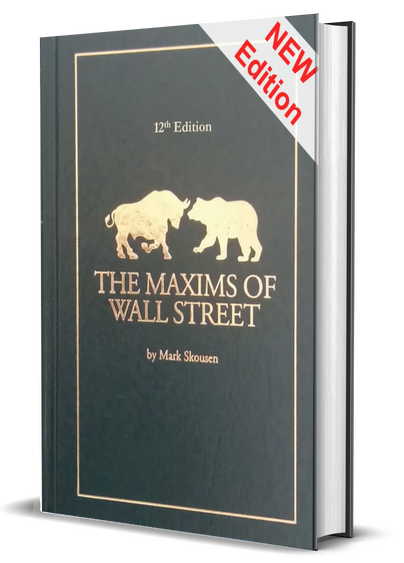
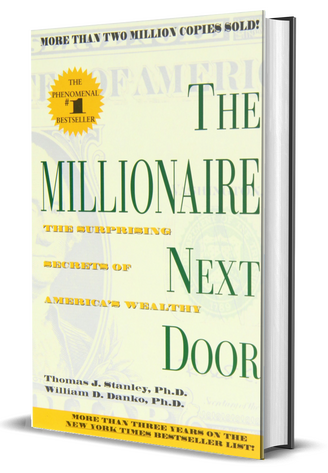
For nearly 30 years, financial economist and investment writer Mark Skousen has been collecting all the old wise adages, proverbs, and legends on Wall Street, based on in-depth interviews with old timers, reading rare financial books, and his own experiences in the financial markets. Maxims of Wall Street is the closest thing to Wall Street scripture ever created.“Love you great little book. I plan to shamelessly steal some the lines.” ―Warren Buffett“Beautifully bound collector’s item. It should be on every investor’s bookshelf and read regularly.” ―Bert Dohmen, The Wellington Letter
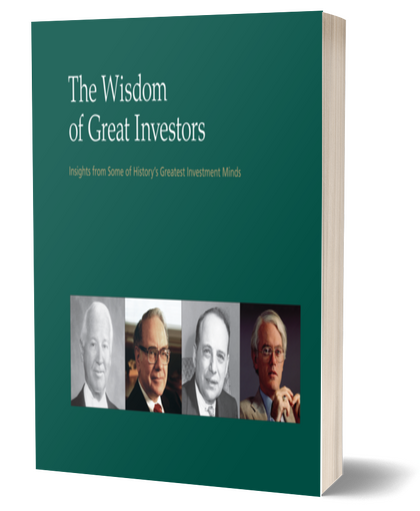
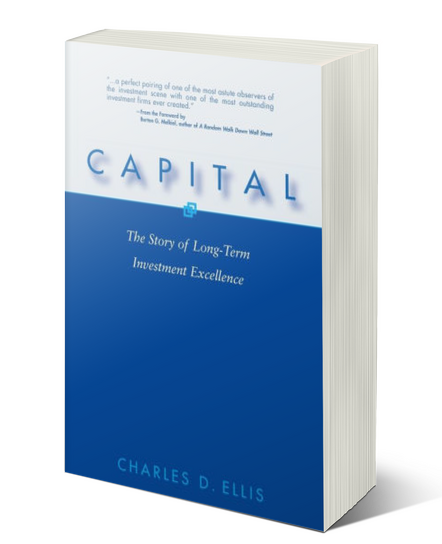
The best book on the history of Capital Group. Find out what makes American Funds so special.“Capital, the parent firm of American Funds, is one of the finest business organizations in American Business. This book was written by an index fund/no-load proponent who was looking to debunk American Funds (which are neither indexed, nor no-load) and instead he discovered their exceptional values, performance and pricing. This story is fast-paced and highly interesting, both to Advisors and clients.” ―from the forward of the book.
Podcasts
This is my favorite investing podcast from my favorite management company.Want to learn how professional investors do it? The weekly, 30-minute Capital Ideas / American Funds audio podcast brings you the latest investment thinking from Capital Group. Each episode gets inside the minds of portfolio managers, analysts and economists to break down market trends, macroeconomic forces, investing approaches and lessons learned from personal experience.
Capital Conversations is a Capital Ideas video podcast offering an unscripted look into The Capital System.Join Mike Gitlin (CEO of Capital Group) as he hosts in-depth discussions with Capital Group's portfolio managers, analysts and senior leaders from around the globe. Gain unique perspectives on investment strategies and market trends while getting to know the people behind the portfolios.
Financial Calculators & Links

This essay started over 36 years ago when I entered into the investment business and began cataloging my beliefs and insights. Eventually I shared it with a few clients (on physical paper!) when they asked for a brief summary of my financial philosophy, strategies and service model. What you're reading here is the most current edition of my original notes.
My Process
Getting Started: 4-Step Process
Step 1We'll have a candid, relaxed and easy-going conversation about your retirement, and any other investment goals you have. I'll explain my philosophies and strategies.(You can schedule a convenient time here.)After our conversation you're going to come to one of two conclusions:.A) "I could probably do this myself." Or, "I don't really like Michael." Or "His concepts don't make sense to me." That's not my favorite option but it's totally fine!B) "I like what I'm hearing and Michael's ideas resonate with me. I want to see what he can do for me." If this is you, then we'll move to Step 2.
Step 2I will collect the information and documents from you I need to create an easy-to-understand plan that is the most efficient, most effective, least complex, and least expensive way to accomplish what you want.
Step 3After I design the plan I'll explain it to you plain English. I'll walk you through the different retirement accounts and ensure you're contributing the right amounts to the right places so that you don't just retire, but you stay retired with a sustainable monthly income designed to weather market swings and rising costs.
Step 4If my plan resonates with you we will complete the paperwork to get your account(s) set-up. If needed, I will do all of the behind-the-scenes legwork of contacting your old accounts to facilitate the transfers.
I will do my utmost to keep the process quick, simple and as painless as possible for you.
My Follow-Up & Service Model
1. First and most important, please don't hesitate to call, email or schedule a time with me for any reason whatsoever. I commit to returning your emails, calls, and voicemails within 24 hours. Note: all account-specific, product-specific and Advice needs to be communicated via email or phone, not text.
2. Next, I’ll certainly call/email if something is going on that’s important enough to require a decision of some sort. This will rarely happen, as our whole philosophy is based on not reacting to current events in the economy or the markets.
“Nothing that happens in 90 days can have any bearing on a long-term investment plan.” ―Nick Murray
3. Once a month I will email my client newsletter which includes the current month's Nick Murray's Client's Corner (must read!), among other interesting investing content.In the July and January issues I will include my Mid-Year and Year-End Client Letters.
4. Finally, every January I will email a summary of your plan, and most importantly show you the number of shares you own of your mutual fund(s).
Other than that: not much. It’s deliberately relaxed, informal, friendly - but most of all open, in both directions.
My Four Core Principals
1: Counter-Cultural
I have a unique point of view that can be described as going upstream to the traditional financial industry and often times against conventional wisdom. I commit to always tell you the plain, unvarnished truth, especially when you may not want to hear it.Investment Philosophy - I am goal-focused and long-term oriented in an industry that will always be market-focused and short-term performance-driven.Investment Strategy - I believe in historically defensible, broadly diversified equity mutual funds vs the current "hot" du jour investment of the moment. I am data-based and fact-driven.
“Successful investing in counterintuitive.” ―Nick Murray“I’m convinced that everything that’s important in investing is counterintuitive, and everything that’s obvious is wrong.” ―Howard Marks
2: Do What's Right
As the name of this site suggests, putting my clients first has been my guiding philosophy since I started in this industry in 1989.I’m a fiduciary advisor. That means I am legally and ethically obligated to act solely in your best interest. As an independent my loyalty is solely to you, not to any company or product vendor. My goal is to help you build a retirement that truly gives you peace of mind.When I sit with a client I ask myself, "What would I do for myself and my family if I were in this situation?" Then that's what I recommend.Doing what's right includes the way I charge fees. Lower costs for you takes precedence over my income.
“I want to be happy by doing well by doing good.” ―Michael“Don’t sell anything you wouldn’t buy yourself.” ―Charlie Munger“The truth tellers have no competition.” ―Nick Murray
3: Make a Complex Subject Simple
I keep my presentations, explanations, strategies and investments as simple as possible. I don't use fancy jargon nor try to impress you with sophisticated language, charts and graphs. I cut through the industry's noise and complexity and provide a straightforward answer.I can help you make sense of the myriad of retirement accounts and investments.
“You don't pay me for the few minutes it takes me to provide you with my best advice - you pay me for the 36 years it took me to know how.” ―Michael Paulding Thomas“Everything must be made as simple as possible, but no simpler.” ―Albert Einstein
4: Behavioral Coaching
At the end of an investor’s life, 95% of his total lifetime return will come from how the investor behaved. And the primary determinant of that behavior will be the quality of the advice he got, or didn’t get. I believe you will do far better in real life with an empathetic, tough-loving behavioral coach than you will on your own.
“An advisor who can modify your behavior is one of the most important investments you make.” ―Chris Davis, Independent Director at Berkshire Hathaway and Coca-Cola“Without an adequately compensated advisor to help with selection and discipline, the individual investor will simply make all the classic and horrendous mistakes.” ―Nick Murray“People make better decisions with financial advisors.” ―Robert Shiller, Nobel Prize-winning economist“Proper investment strategy is as much of a psychological as an intellectual challenge. It is often best to seek professional help to structure and maintain a well-diversified portfolio.” ―Jeremy Siegel
What I Do & What I Don't Do
| Activity | % |
|---|---|
| Analyzing/interpreting the economy and current events. Timing the market, calling tops and bottoms. Identifying consistently top-performing investments: | 0% |
| Crafting a long-term plan and funding the plan with a long-term equity portfolio: | 20% |
| Coaching clients to continue following the plan through all the cycles of the economy, and all the fads and fears of the market: | 80% |
| 100% |
My Ideal Client
Two Temperaments
1. My expertise is best suited for families who are serious about retiring in complete financial security someday (or those who are already retired and want to ensure they stay that way).2. The clients I most enjoy serving are open to professional relationships and have a genuine desire to be helped, which most reliably manifests as teachability.Because my approach to investing is so very countercultural ― being entirely goal-focused and planning-driven in an environment that is overwhelmingly market-focused and performance-driven ― I am looking for people with the ability and willingness to adopt that approach.If you're interested in delegating retirement planning to an expert so that you can spend time on things that matter most to you then I think we'll work great together.
Investible Assets
Many advisors only work with people who have a substantial amount of wealth. I, however, don't require an asset minimum, so you don't have to be rich to benefit from my advice (I have a quite a number of clients in their teens and 20's).
“Anyone earning more than he is spending is a prospect for managed money.” ―Nick Murray
Geography & Flexibility
Though I reside in Southern California I often work remotely (phone, email, video, etc). In fact, I have more clients outside of California than I do locally. I am licensed in AR, AZ, CA, FL, GE, IN, KA, MI, MN, NC, NV, NY, OK, PA, TN, TX, VA (I can add any state, if needed).

These are my quotes, thoughts and musings. Surely most of them I picked up over the years and adjusted them, but a few maybe wholly original!
“If you bought a house for $400,000 but then the real estate market dropped and now your house appraised for only $300,000, would you sell it? Of course not. Then why would you do that with your investments?”
“Gold is colored rock which has no intrinsic value. It's value is arbitrary derived from speculation - whatever someone else is willing to buy, or sell it, for. The only two things I know of that actually make money are printing presses and the great companies of the world. Regardless of the irrational value someone bestows upon a company, they can generate profit by just sitting there. Gold cannot.”
“Be careful of monitoring (and judging) your mutual funds' performance daily, weekly, monthly or even yearly. Short-term thinking may lead to the temptation to replace it with one that’s faring better short-term. However, funds with exemplary long-term track records tend to experience periods — often lengthy ones — during which they lag short-term.”
“Everyone wants 30-year returns, but they judge their investments on one-year returns.”
“If you’re not earning at least 6% long-term, then with inflation and taxes you’re losing money.”
“I am not running your portfolio off current events.”
“The stock market is like someone playing with a yo-yo whilst riding up an escalator. The secret is to focus on the escalator and not the yo-yo.”
“An individual stock is like a twig. 200 twigs bound together is a mutal fund.”
“When the market has a downturn there are only three actions you can take regarding your investments: 1) Sell your shares at a loss. 2) Do nothing. 3) Buy more shares at a discount. Only two of the three are acceptable answers, and one is the superior answer.
“Live like you're broke, invest like you're wealthy.”
“Never spend your money. Only spend the earnings generated by your money. (Only eat the eggs, not the goose.)”
“Focus on the future-value of your money, not it’s current value. For example, $100,000 isn’t $100,000, but in 20 years it’s approximately $732,000 (at 10%).”
“You wouldn't plant a seed and then dig it up every few days to see if it has grown. So why do you do that with your long-term investments? Have patience, stop overthinking, trust the process and keep watering your seeds.”
More Quotes From Various Sources That Have Shaped My Philosophy
Merryle Rukheyser, Louis Rukheyser's father, encountered Bernard Baruch on the street when the stock market crashed in 1929.“This is a terrible day in the stock market," said Mr. Rukheyser.“Not for buyers", answered Mr. Baruch.
“The investor is more important than the investment." ―Dick Fabian
“The best investments are 'buy and forget'.” ―Naval Ravikant
“The market is most dangerous when it looks best; it is most inviting when it looks worst.” ―Frank J Williams
“I’m convinced that everything that’s important in investing is counterintuitive, and everything that’s obvious is wrong.” ―Howard Marks
“The big money is not in the buying or selling, but in the waiting.” ―Charlie Munger
“I'm 100% in equities. You're never going to make enough money if you have 40% of your money in bonds.” ―Andy Sieg
“Money is only a tool. It will take you wherever you wish, but will not replace you as the driver.” ―Ayn Rand
“Let me give you a tip on a clue to men's characters: The man who damns money has obtained it dishonorably. The man who respects it has earned it.” ―Ayn Rand
“Don’t try to time the market. It’s very, very difficult to do. There may be a couple of people in the world who can do it, but if there are, they’re not telling you.” ―Ben Bernanke
“The individual investor should act consistently as an investor and not as a speculator.” ―Benjamin Graham
“Individuals who cannot master their emotions are ill-suited to profit from the investment process.” ―Benjamin Graham
“Being free from worry about financial things is a real blessing. Of course, you don't need a billion to get to that point.” ―Bill Gates
“Benign neglect is the secret to long-term investing success. If you change your investment policy, you are likely to be wrong; if you change it with a sense of urgency, you’re guaranteed to be wrong.” ―Charles Ellis
“If you're going to be in this game for the long pull, which is the way to do it, you better be able to handle a 50% decline without fussin too much about it.” ―Charlie Munger
“Much of investing is avoiding FOMO buying and panic selling.” ―Naval Ravikant
“The stock market is the only market where things go on sale and all the customers run out of the store.” ―Cullen Roche
“All of us would be better investors if we just made fewer decisions.” ―Daniel Kahneman
“Investing is like a bar of soap… The more you touch it, the smaller it gets.” ―Darcy Howe
“Personal finance is 80% behavior and only 20% head knowledge.” ―Dave Ramsey
“When you budget, you're spending on paper, on purpose, before the month begins. It simply means, spending your money with intention.” ―Dave Ramsey
“Money is just an entry in a database.” ―Elon Musk
“There are global companies generating revenue all over the world. I'm not overly concerned about where they get their mail.” ―Gerald Du Manoir
“The stock market is a giant distraction to the business of investing.” ―John Bogle
“The next 100% in the market will be up, not down.” ―Scott Matthews
“The stock market will do whatever it has to do to embarrass the greatest number of people to the greatest extent possible.” ―Walter Deemer
“Buy when blood is running in the streets.” ―Baron Nathan Rothschild
“Investing is simple mathematics: 2 + 2 = 4. But our greed makes it 5, and our fear makes it 3.” ―Feroz Ahmed Khan
“If you are a long-term investor, you will view a bear market as an opportunity to make money.” ―Sir John Marks Templeton
“Never bet on the end of the world. It only comes once, which is pretty long odds.” ―Arthur Cashin, New York Stock Exchange floor manager
John's advice furing a crisis: “Don't do something, just stand there.” ―John Bogle
“The average investor is not really an investor; they are gamblers. They buy based on tips and sell based on fear.” ―Robert Kiyosaki/n"Inflation: When nobody has enough money because everybody has too much." ―Harold Coffin
"Don't struggle to find the needle in the haystack; just buy the haystack." ―John Bogle
"If you have trouble imagining a 20% loss in the stock market, you shouldn't be in stocks." ―John Bogle
"Bonds are guaranteed certificates of confiscation." ―Franz Pick
“Fidelity has done a study as to which clients had done the best at Fidelity. They were the people who forgot they had an account!” ―James O'Shaughnessy
“I don't predict the rain. I help individuals build financial arks.” ―Jim Rothenburg
“The sole function of economic forecasting is to make astrology look respectable. There are two kinds of forecasters: those who don’t know, and those who don’t know they don’t know.” ―John Kenneth Galbraith
“Remember, the stock price only matters when you buy and when you sell.” ―Joyce Gordon
“For 200 years, pessimists have had all the headlines, even though optimists have far more often been right.” ―Matt Ridley
"Save like a pessimist but invest like an optimist." ―Morgan Housel
“I see myself as buying stakes in companies - pieces of businesses. Rather than pieces of paper which can be easily traded in the market.” ―Michael Cohen
“If you understand the math behind compounding you realize the most important question is not ‘How can I earn the highest returns?’ It’s ‘What are the best returns I can sustain for the longest period of time?’” ―Morgan Housel
“I purchased a variable annuity whit a guaranteed living benefit and allocated 100% to stocks.” ―Moshe Milevsky
“About every ten years, we have the biggest crisis in fifty years.” ―Paul Volcker
“Though it’s tempting to sell when the market begins to drop, giving in to your fear is not a sound strategy. You cannot possibly succeed that way.” ―Ray Dalio
“Why are you checking the market day-to-day anyway?” ―Ryan Holiday
“The stock market is a platform where short term thinkers give their money to long term thinkers.”
“The purpose of wealth is freedom.” ―Naval Ravikant
“Investing is how you make money. Trading is how you lose it.” ―Naval Ravikant
“You make most of your money in a bear market, you just don’t know it at the time.” ―Shelby Cullom Davis
“The four most dangerous words in investing are: 'this time it’s different'.” ―Sir John Marks Templeton
“Never spend your money before you have it.” ―Thomas Jefferson
“The Federal Reserve was founded in 1913. Since then the dollar's value has fallen by 96%. The stock market has risen by 3,138,470%. Invest your money.”
“The stock market is the only market where things go on sale and all the customers run out of the store.” ―Cullen Roche
"Bonds promoted as offering risk-free returns are now priced to deliver return-free risk.” —Shelby Cullom Davis (1909-1994)
“There’s always a bull market somewhere.” ―Robert Kinsman
“Don’t try to buy at the bottom and sell at the top. This can’t be done except by liars.” ―Bernard Baruch
“The smart investor must know the difference between what is temporarily undervalued and what is permanently undervalued..” ―Sir John Templeton
“The market will go up and it will go down, but not necessarily in that order.” ―J. P. Morgan
"Emotions are your worst enemy in the stock market." ―Don Hayes
“You make your money from bad times and collect your money in good times.” ―Arthur Laffer
“Nothing is more difficult than holding onto your stocks in a bear market.” ―Mike Turner
“Owners of sound securities should never panic.” ―J. Paul Getty
“Money is made by sitting, not trading.” ―Jesse Livermore
“The best way to put odds in your favor is to invest long-term.” ―Dick Davis
“Everyone is a disciplined, long-term investor until the market goes down.” ―Steve Forbes
“Day trading is a sucker's game. Don't do it — ever.” ―Charles Ellis
“What is the greatest danger to your investments? Inflation.” ―Paul Cabot
“Good CEOs know everything about their company and little about their stock.” ―Dick Davis
“Don't put all your eggs in one basket.” ―Old bank line
"No trading system, no matter how good, will work if too many people start following it." ―Mark Hulbert
Five Bread-and-Butter Finance Fundamentals
It took me 36 years to learn what I'll teach you in 15 minutes.Since 1989 I've been helping families build generational retirement plans and all good plans start with basics that are universal to most, if not all, families. There came a moment early in my career where it dawned upon me that those basics, those boring fundamentals, were truly the keys to success. Below is a condensed overview of my best advice.
1: War Chest / Emergency Fund
“A year's living expenses in a war chest will save you from more bad decisions than you can imagine.” ―Nick Murray
Get year’s living expenses (not necessarily "lifestyle" expenses) in a money market-type fund as quickly as you can, even if you have to live on coffee and rice while you’re saving toward this goal. This will give you piece-of-mind, and let you weather out the “financial storms”, and avoid liquidating your retirement accounts. Cars break down, pipes wear out and break, and kids get sick. Build yourself a “reserve account” to pay for these unexpected events.Don't be too concerned with the rate-of-return that you're getting on this account. Growth is not the primary purpose ― you just want to make sure it's there when you need it. Even a bank savings account is fine. However, keep it in a separate account from all your other funds.
2: Term Life Insurance
Life insurance ensures that if a breadwinner passes (and thus their income stops) the family has the funds to continue living their lifestyle and doesn't tap into their retirement accounts.There are two types of life insurance:1. Term: Pure insurance. Cheaper.
2. Cash-Value: Insurance + Savings. More expensive.Always buy term insurance and invest the cost difference in equity mutual funds. Never, ever buy any form of cash-value life insurance (whole life, universal life, variable life, etc.) regardless of what the insurance salesperson tells you.How do you know if you need life insurance? Will your spouse/kids will have financial problems if you die? If 'yes' then you need it; if 'no' then you don't.For a deeper-dive read my article Protecting your Family with Term Life Insurance.
3: Living Trust
When you pass away, your estate normally goes through a process called probate, which can be costly and delay the transfer of property to your beneficiaries.There are only three ways to avoid probate: 1) live forever, 2) don’t own anything, or 3) get a living trust.Briefly speaking, there are three primary benefits of a living trust:1. Private: the size and distribution of the estate remains private.2. Avoids Probate: saves the beneficiaries time, money and hassle.3. Living Benefits: your instructions regarding your health and finances are followed if you are still alive but become incapacitated.Don't rely solely on a will. Wills still go through the probate process.For a deeper-dive read my article Protecting your Family with a Living Trust.
4: Retirement
Retirement ― Accumulation Phase
Invest 100% in the World’s Great CompaniesMost people who invest most of their capital in fixed income investments as they go into retirement will run out of money well within their lifetimes. You are not investing to retirement, but through retirement, and very probably on to the next generation. The right answer is to invest in historically defensible, broadly diversified, equity mutual funds.
“Equities are the only asset class that fully captures human ingenuity, which is the most valuable asset on earth.” ―Nick Murray
My equity investment management firm of choice is Capital Group / American Funds (all of my family's money is managed by them).I have a strong conviction in dollar cost averaging.Sequence of Retirement AccountsAs stated above, always use all-equity mutual funds as the investment "inside" of the tax shelters.1. 401(k). Contribute up to the matching point, then stop. Always utilize the Roth version, if it is offered.2. SEP IRA. If you're self-employed and/or get paid via 1099.3. Roth / Traditional IRA. Fully-fund your IRA. Roth is preferable, if you qualify for it.4. Do all of the above for your spouse, if applicable.5. 401(k). Go back to your 401k and contribute past the matching point up to the maximum allowed.6. Variable Annuity. If you have additional money available to invest for retirement, use a "stripped down" VA for tax-deferral.
Retirement ― Withdrawal Phase
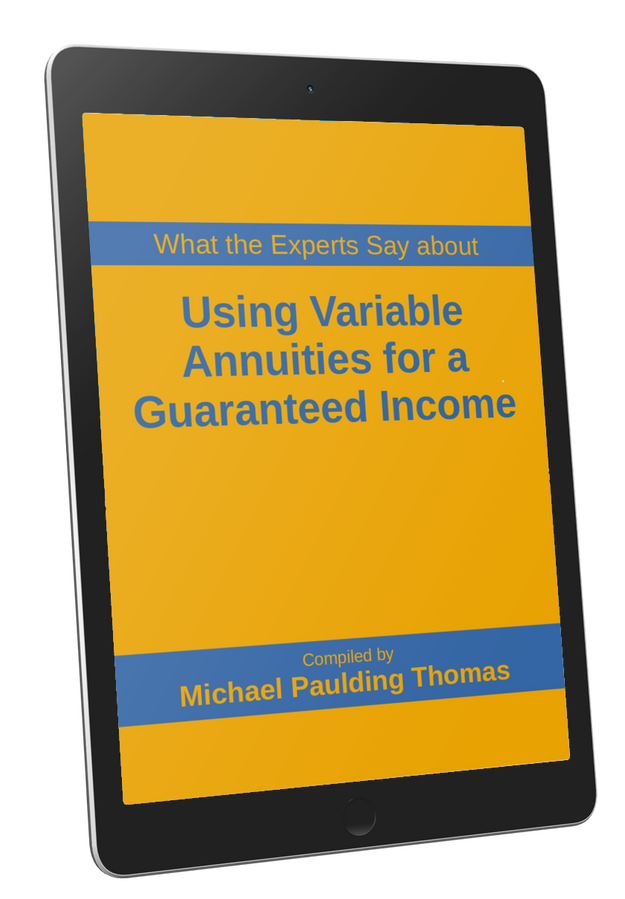
Have an Intelligent Withdrawal StrategyAmericans say that what they want for retirement is safety and income. What they really want is all the income they can get, and the illusion of safety.In many cases the best vehicle to create a guaranteed retirement income that outpaces inflation is a variable annuity with a guaranteed income rider that is invested in 100% equity mutual funds, and yet provides a minimum 5% guaranteed withdrawal for the rest of your life (you only pay taxes on the withdrawals while the balance remains tax deferred).When you pass away, the income continues guaranteed for your spouse. When he/she passes your children inherit the account balance.Tip: When you’re approximately 10-years from retirement consider this product.
5: Minor Accounts
Note: just as with the retirement shelters above always use all-equity mutual funds as the investment "inside" of the minor accounts.1. UTMA. When saving for your child for non-education purposes invest in a Uniform Transfer to Minor Act.2. 529-Plan. For higher-education / college invest in a 529-Plan.Tip: put your first $20,000 (approximately) into a UTMA. Any amount above that put it into a 529 Plan. Remember, the first $2,600 of interest earned in an UTMA is tax-free/tax-reduced anyway and it has more flexibility that 529-Plan since it can be used for any purpose, not just college education.3. Minor Roth IRA. As soon as your child as earned-income, such as a summer job, have them invest in a Roth IRA.4. ABLE Accounts. Achieving a Better Life Experience Act allows individuals with mild to severe disabilities to open investment accounts.